
The Impact of Regional Weather on Home Insurance Rates in Texas
MB
Understanding the Impact of Regional Weather
Home insurance rates in Texas can vary significantly, and one of the primary factors influencing these rates is the regional weather. The state's diverse climate ranges from arid deserts to humid coastal areas, each presenting unique challenges for homeowners and insurers alike.
Hurricanes and Storms
The Gulf Coast region of Texas is particularly vulnerable to hurricanes and tropical storms. These powerful weather events can cause extensive damage to homes, leading to increased insurance claims. As a result, homeowners in coastal areas may face higher insurance premiums to account for the potential risk of wind and water damage.
Insurance companies often adjust their rates based on historical data and predictive models that estimate the likelihood of future storms. Homeowners can mitigate some of these costs by implementing storm-proofing measures, which might include installing impact-resistant windows or reinforcing roofs.
Tornadoes in the Plains
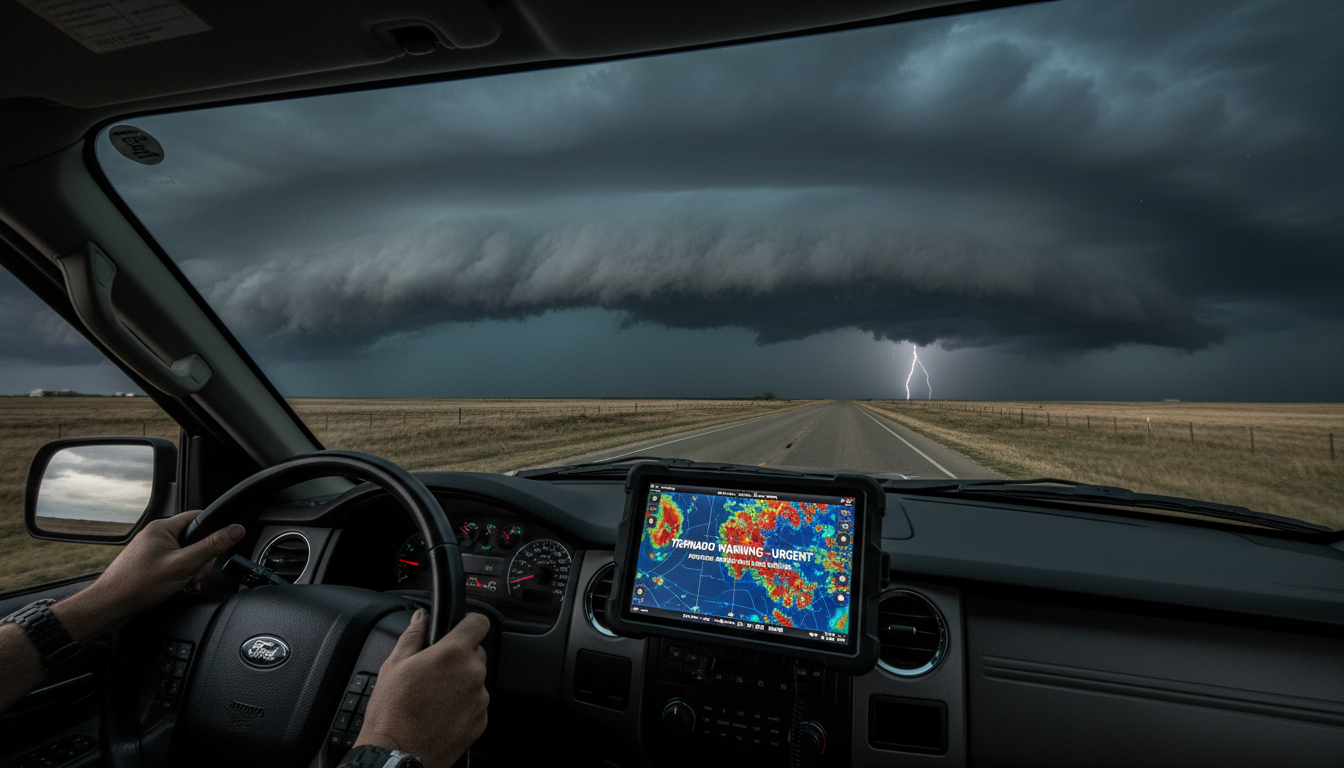
North and Central Texas are part of Tornado Alley, where tornadoes are a frequent occurrence. These violent storms can cause catastrophic damage to properties, influencing insurance rates in these areas. Insurance providers factor in the risk of tornadoes when calculating premiums, often resulting in higher costs for homeowners in these regions.
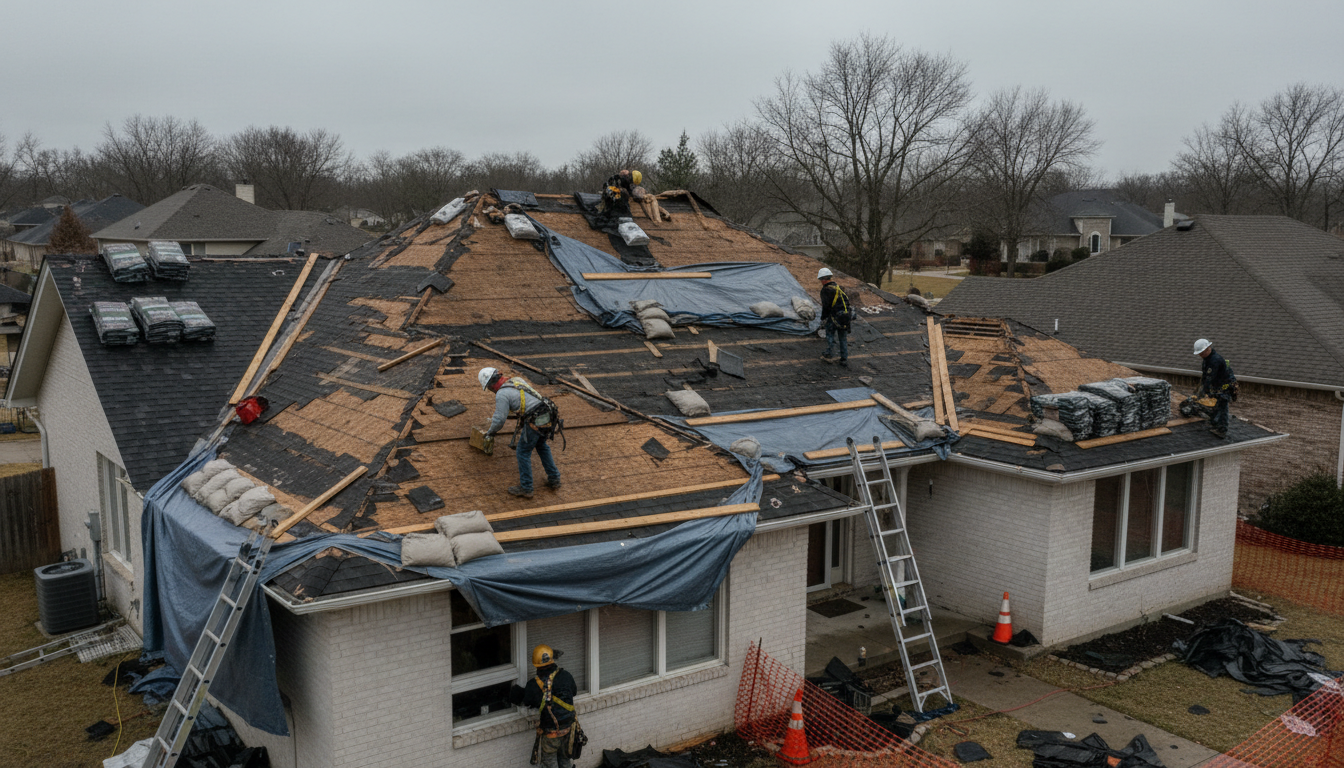
To combat these risks, some homeowners opt for additional coverage options, such as windstorm insurance, which can provide extra financial protection against severe weather events. Investing in a storm shelter can also be a prudent measure to protect both property and personal safety.
Drought and Wildfires
In West Texas, drought conditions are a significant concern. Prolonged dry spells can lead to increased wildfire risks, posing a threat to homes and communities. The potential for wildfire damage can result in higher insurance rates for homeowners in these areas.
Homeowners can reduce their risks by maintaining defensible space around their properties, using fire-resistant building materials, and staying informed about fire safety practices. These proactive steps can sometimes lead to discounts on insurance premiums.

Hail and Severe Weather
Hailstorms are another weather-related challenge in Texas. They can cause substantial damage to roofs, vehicles, and other property. As a result, insurance rates might increase in areas prone to frequent hailstorms. Insurers often consider the frequency and severity of past hail events when setting rates.
To help mitigate potential damage, homeowners can invest in impact-resistant roofing materials, which may also qualify them for insurance discounts. Regular maintenance and inspections can further protect properties and reduce the likelihood of costly claims.
Conclusion
The impact of regional weather on home insurance rates in Texas is significant. Understanding the specific weather-related risks in your area can help you make informed decisions about your home insurance coverage. By taking proactive measures to protect your property, you may also be able to reduce your premiums and enhance your peace of mind.